I’ve been reading Atomic Habits (if you haven’t read it, I recommend it 100%) and it’s brought me around to thinking about how the habits we build- intentionally or not- shape the way we live our lives. How often do we really think about the way we move through the day? Sometimes I look around at 7 or 8 at night and realize that I actually made very few thoughtful choices about how I made the decisions I was making.
In classrooms where teachers make at least 1,500 decisions a day, it’s hard to imagine being thoughtful about every single one of them. We just…do the things, you know? As adults, we anticipate that there are always going to be new problems and unexpected wrinkles so we develop ways of moving through them as efficiently and effectively as possible.
Experienced educators develop a set of standard operating procedures that enable them to be calm, clear, and kind throughout the day because we know that’s what our students need. We have routines, systems, and processes that we lean into so we don’t have to reinvent not just the wheel, but also the entire concept of the wheel every single time something new comes up.
So why don’t we teach kids to do the same?
Standard Operating Procedures
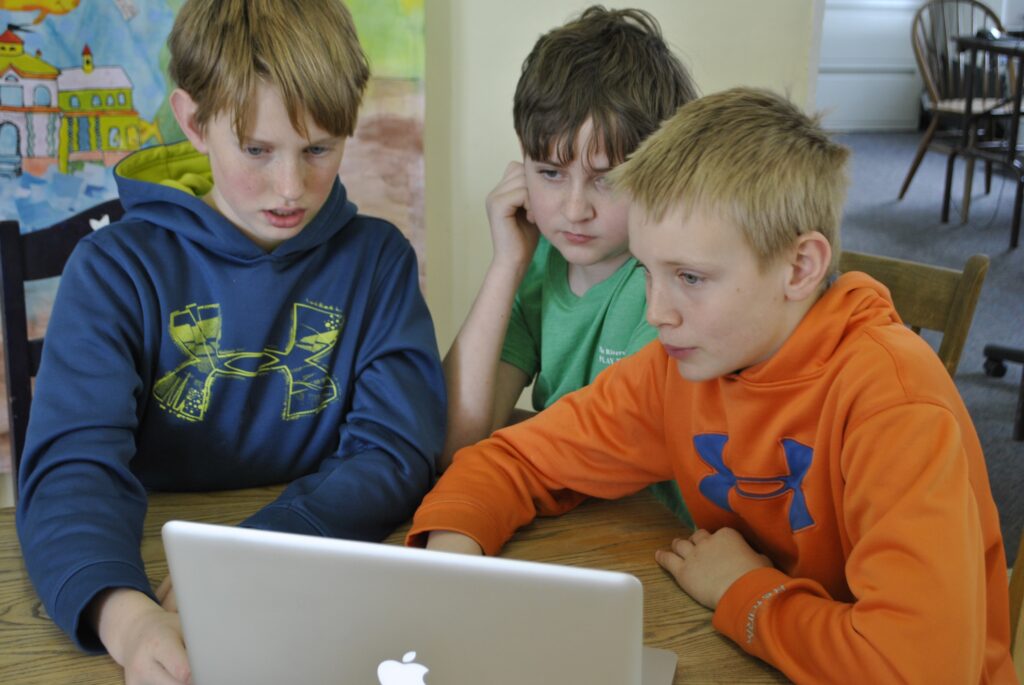
In Critical Skills Classrooms, we present the idea of Standard Operating Procedures early on, as part of building collaborative learning communities, and we practice using and building them throughout the year.
We help students to create a series of step-by-step processes to use routinely in given situations or when a set of conditions is encountered (like, say, a new problem to be solved, a conflict to be resolved, or a decision to be made).
As with any new process, we begin by reflecting on past experiences so that students build on what they know. Then we provide scaffolding as students draft their own SOPs, and as always- we test them, then we assess their effectiveness, we reflect together, and we revise as necessary.
The problems of the future are going to require problem solvers who know how to, well, solve problems. Having a familiar, time-tested plan of action will help our students thrive no matter what the future brings.